Wool Carpet Flooring Perth
Perth’s summers are the hottest of any Australian capital and its coastal suburbs carry salt-air humidity year round. Wool carpet, correctly specified for the room and the conditions, handles both better than most people expect. Jim’s Flooring supplies and installs wool carpet across all Perth suburbs.
- Police Checked Installers
- Mobile Showroom – We come to You
- No Hidden Fees
- Flexible Scheduling
- All Melbourne Suburbs
Our Services
Professional Wool Carpet Installation Across Perth
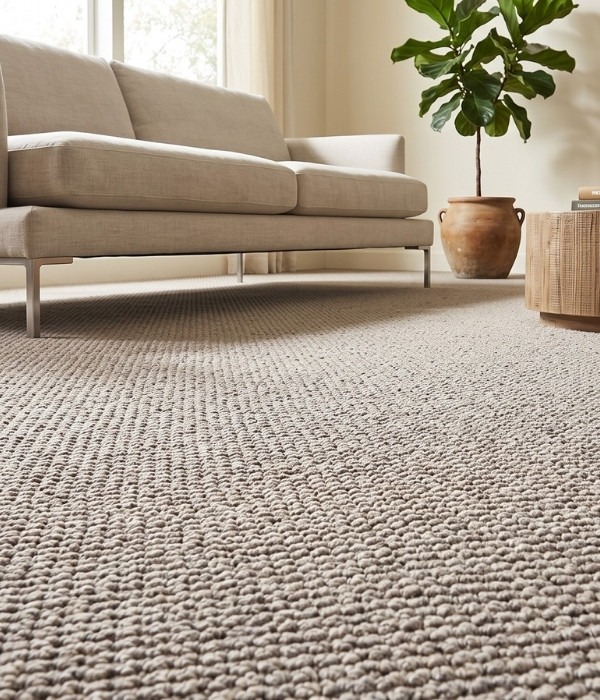
Perth’s extreme summer heat raises a reasonable question about wool carpet, and it’s worth answering honestly upfront. Wool is not the right choice for every Perth room. For living areas exposed to direct summer heat, kitchens, bathrooms, and outdoor-adjacent spaces, hybrid flooring or vinyl flooring is the better call. But in Perth’s air-conditioned bedrooms, formal living rooms, and home offices, wool carpet performs exceptionally well and its natural fibre properties offer genuine advantages over synthetic alternatives.
Jim’s Flooring supplies and installs wool carpet across all Perth suburbs. If you’re comparing options, our carpet flooring, hybrid flooring, and timber flooring pages cover the alternatives in detail.
- 100% natural fibre: no synthetics, no off-gassing
- Natural temperature regulation: handles Perth's extreme seasonal range
- Naturally resilient: crimped fibre springs back after compression
- Hypoallergenic: traps particulates rather than releasing them
- 25+ year service life: the longest-lasting carpet fibre available
- Free in-home quote: samples brought to your Perth home
Six Reasons Perth Homes Choose Wool
Wool performs better in Perth conditions than most people expect, here’s why.
Natural Temperature Regulation
Wool fibres absorb and release moisture as conditions change, creating a natural thermal buffer that helps moderate floor-level temperatures across Perth’s extreme seasonal range. In air-conditioned Perth bedrooms, this keeps the floor feeling comfortable whether the temperature outside is 42°C or 8°C.
Resilience That Outlasts Synthetics
Wool’s crimped fibre springs back after compression; no coating, no treatment. A quality wool carpet in a Perth bedroom at year fifteen looks significantly better than any synthetic alternative at the same age. The resilience is structural and permanent.
Suits Perth's Premium Inner Suburbs
The established inner suburbs of Subiaco, Nedlands, Cottesloe, and Mount Lawley have quality homes where long-term finishes matter. Wool carpet’s 25-year service life and natural quality make it the appropriate choice for these properties, and Perth buyers in these markets recognise and respond to quality materials.
Better Indoor Air Quality
Wool traps airborne dust, pollen, and particulates within the pile rather than allowing them to circulate. Perth’s dry easterly winds and high spring pollen count make this passive filtration property particularly relevant for Western Australian households.
Naturally Flame Resistant
Wool chars and self-extinguishes rather than melting or spreading flame. In Perth, where bushfire risk and the resulting community awareness around fire safety is a genuine part of daily life, this natural flame resistance is a meaningful property for a residential flooring material.
Renewable and Biodegradable
Wool regrows annually, requires no petroleum manufacturing process, and biodegrades naturally at end of life. For Perth homeowners building or renovating with sustainability as a genuine consideration, wool carpet is the only flooring choice with real environmental credentials in the soft floor category.
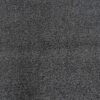
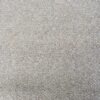
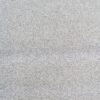
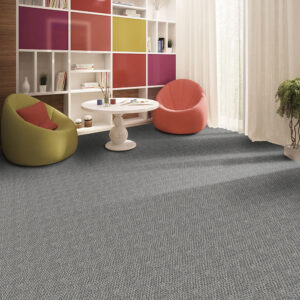
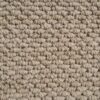
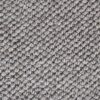
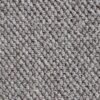
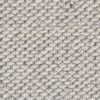
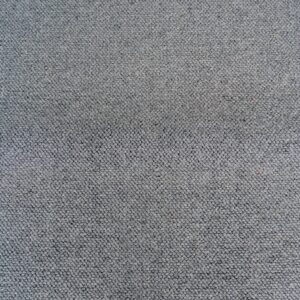
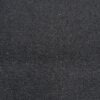
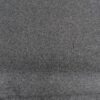
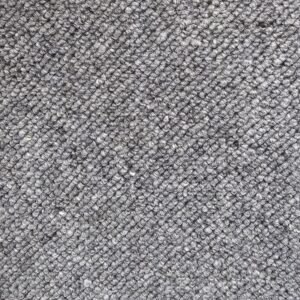
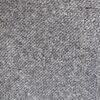
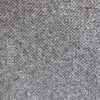
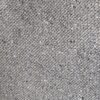
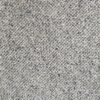
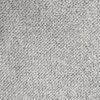
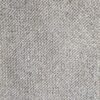
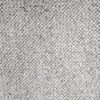
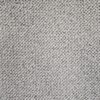
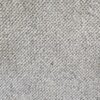
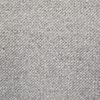
Our Wool Carpet Flooring Options in Perth
Free Quote to Fitted Wool Carpet in 4 Steps
Our installation process is designed to deliver efficient, high-quality results while minimising disruption to your Perth home.
Free In-Home Measure & Quote
Your local Jim's Flooring Perth specialist visits with a full wool sample range. We measure your rooms, assess your subfloor and insulation conditions, and provide a written itemised quote at no charge.
Choose Your Wool Type
We help you choose the right construction and colour for each room; considering your home's orientation, insulation, and air conditioning. Physical samples in your Perth home's own lighting make the decision straightforward.
Professional Installation
Our Perth carpet installers lay matched underlay first, then fit the wool carpet precisely, cutting accurately, stretching correctly, and finishing all edges and doorways neatly before leaving your site.
Walkthrough and Handover
We inspect every seam and edge with you before leaving. You receive care instructions and warranty documentation. The room is ready to use the same day.
Wool Carpet Flooring Costs in Perth
Wool is the premium end of the carpet market. Here’s what professional supply and installation costs across Perth.
Wool Blend (80/20), from $60 / m² installed: 80% wool, 20% nylon twist pile, standard underlay. The entry point for natural fibre in Perth, better long-term performance than any synthetic alternative across living areas and bedrooms.
Pure Wool Twist Pile (Most Popular), from $80 / m² installed:
100% pure wool twist pile, quality underlay, professional fitting. The most popular wool choice for Perth owner-occupied homes — full natural fibre performance across living areas, hallways, and bedrooms.
Premium Wool Plush & Specialty, from $100 / m² installed: Premium pure wool plush or Berber constructions, premium underlay, professional installation. For master bedrooms and formal living areas in Perth’s premium western suburbs.
| Feature | Wool* | Nylon | Polyester |
|---|---|---|---|
Natural Fibre |
✔ 100% |
✘ Synthetic |
✘ Synthetic |
Service Life |
✔ 20–30yr |
⚠ 10–20yr |
✘ 8–12yr |
Temp. Regulating |
✔ Excellent |
✘ No |
✘ No |
Melbourne Winter Warmth |
✔ Best |
⚠ Moderate |
⚠ Moderate |
Hypoallergenic |
✔ Yes |
⚠ Moderate |
✘ Can off-gas |
Waterproof |
✘ No |
✘ No |
✘ No |
Install Cost |
✘ Higher |
⚠ Medium |
✔ Low |
Wool Carpet Flooring Across Perth
Jim’s Flooring services all Perth suburbs for wool carpet supply and installation.
Why Jim's Flooring Perth
Choosing experienced flooring installers is essential to ensure long-lasting flooring results. Jim’s Flooring Perth is trusted by homeowners for professional service, reliability, and quality.
Trusted Since 1989
Jim’s Group has been part of Australian homes for 35 years. Our Perth franchisees carry that reputation locally, personally accountable for every wool carpet installation they complete across Western Australia.
Honest About Perth's Climate
We’ll tell you directly if wool isn’t the right choice for a particular room in your Perth home, and recommend hybrid flooring or vinyl flooring where it’s the better fit. That honesty is what keeps our rating at 4.9 stars.
Free In-Home Measure & Quote
Physical samples in your home’s own lighting. Accurate room-by-room measurement. A fully itemised written quote at no charge and no obligation.
Licensed and Insured
Every Jim’s Flooring franchisee holds current licences and full public liability insurance. Your Perth home and investment are fully protected throughout the entire installation process.
4.9-Star Rating
Over 2,100 verified reviews average 4.9 stars. Perth customers highlight honest product advice, professional workmanship, and floors that perform well through Western Australia’s demanding seasons.
Local Perth Specialists
131 546 connects you directly to your local Jim’s Flooring Perth specialist, not a national call centre. Local knowledge of Perth’s housing stock and climate, applied to every job.
Ready to Put Wool Carpet in Your Perth Home?
Natural, resilient, and properly suited to Perth’s air-conditioned bedrooms and formal living areas, Jim’s Flooring Perth supplies and installs wool carpet flooring across all Western Australia. Free in-home measure, real samples, honest advice.
Wool Carpet Flooring Perth Questions Answered
Yes, in air-conditioned rooms. Perth bedrooms and formal living areas with climate control maintain comfortable floor-level temperatures year round, and wool’s natural thermal regulation adds further comfort. For rooms relying solely on natural ventilation through summer, a hard floor is the more practical choice.
Not in insulated, air-conditioned rooms. Wool fibres handle Perth’s indoor temperature range without structural damage. The risk is in persistently hot, poorly ventilated spaces, the same conditions that make any carpet uncomfortable. Jim’s assesses each room’s conditions at the quote visit and advises accordingly.
Wool twist pile is the most practical choice for Perth living areas and hallways. Wool plush delivers the softest feel for master bedrooms. For busy family homes and stairs, a wool-nylon blend (80/20) adds synthetic resilience while keeping wool’s natural properties. Jim’s brings samples to your home to help you choose.
Wool’s natural moisture-regulating properties actually suit coastal conditions well, absorbing excess ambient humidity without structural damage. A moisture-barrier carpet underlay is recommended for homes on concrete slabs in coastal suburbs to protect the backing from slab vapour.
Hybrid flooring is 100% waterproof and suits Perth’s open-plan living areas, kitchens, and outdoor-adjacent spaces. Wool carpet is the better choice for bedrooms and formal rooms where natural warmth and acoustic comfort are the priority. Most Perth renovations benefit from using both across the same property.
Yes. Wool traps dust, pollen, and particulates within the pile rather than releasing them into the air. Perth’s dry, windy conditions carry high levels of fine dust and spring pollen indoors, making this passive filtration property particularly relevant for Western Australian households.
UV-filtering window film is the most effective solution, it significantly slows the colour change that sustained direct sunlight causes in wool fibres. Rotate furniture occasionally to ensure even light exposure across the pile, and use blinds or curtains to manage the strongest afternoon sun in west-facing rooms.
Wool blend (80/20) starts from $60/m² installed. Pure wool twist pile starts from $80/m². Premium plush and specialty constructions start from $100/m². All prices include underlay and fitting. Jim’s provides a fully itemised written quote before any work begins.